
The Difference Between Premium and Fast Fashion Clothing
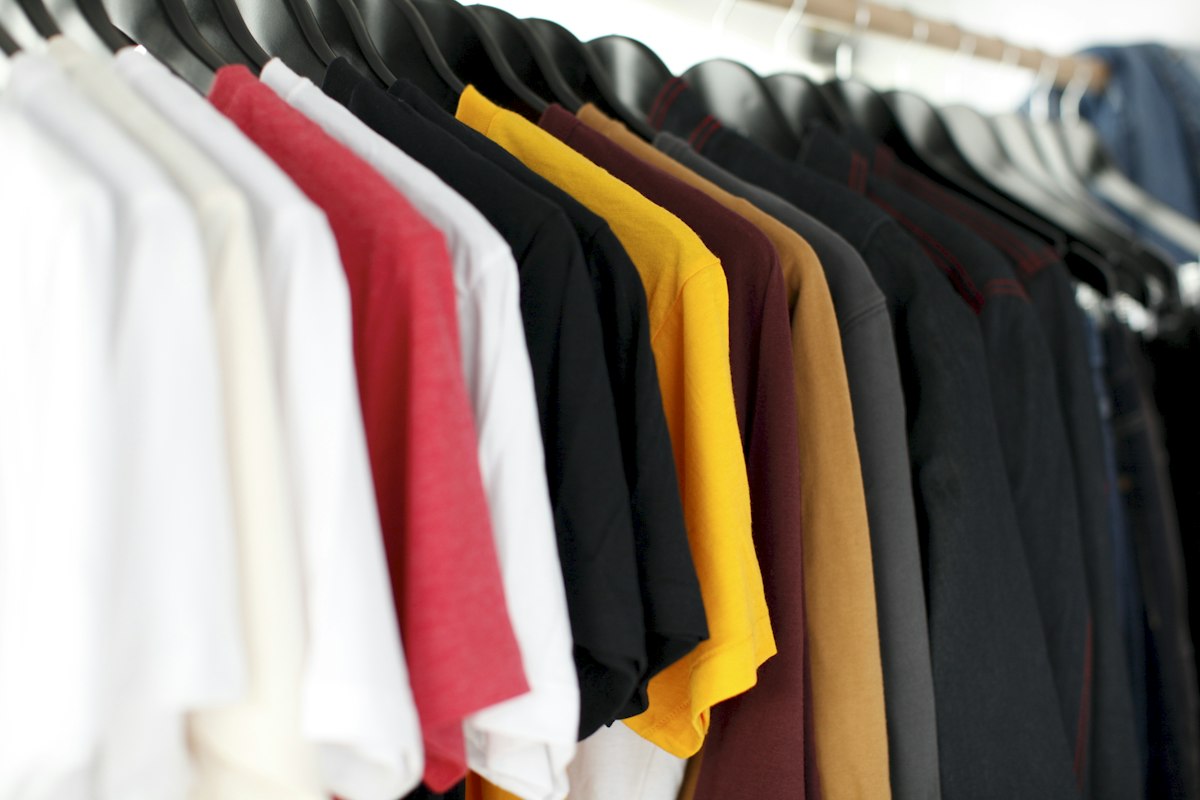
Have you ever bought a piece of clothing that looked great when you first tried it on, but after a few washes it started fading, stretching, or losing its shape? Many shoppers experience this problem. It often comes down to one important factor: the difference between premium and fast fashion clothing.
At first glance, two garments might look similar. They may have a similar design, color, or style. But once you wear them for a few weeks or months, the differences become clear. Some pieces last for years, while others wear out quickly.
Understanding the difference between premium and fast fashion clothing can help you make better shopping decisions. Instead of replacing clothes constantly, you can invest in pieces that feel better, last longer, and provide better overall value.
In this guide, we will break down the key differences between these two categories of clothing so you can recognize quality garments when you see them.
The Difference Between Premium and Fast Fashion Clothing
When comparing premium clothing and fast fashion, the biggest differences usually come down to materials, construction, durability, and design philosophy.
Fast fashion focuses on producing large quantities of clothing quickly and cheaply. Premium clothing tends to prioritize better fabrics, stronger construction, and longer-lasting garments.

What Is Fast Fashion?
How Fast Fashion Works
Fast fashion brands are designed to produce clothing quickly and at low cost. New collections are released frequently, often following the latest trends. The goal is to make fashionable clothing accessible and affordable to a large audience.
However, speed and affordability often come with tradeoffs. Because fast fashion focuses on rapid production, some aspects of garment construction may receive less attention.
Common Characteristics of Fast Fashion
- Lower cost materials
- Thin or lightweight fabrics
- Mass production
- Short product life cycle
- Frequent new collections
Fast fashion can be appealing for trend-driven purchases, but the garments may not always maintain their shape or durability over time.
What Is Premium Clothing?
The Focus on Quality and Longevity
Premium clothing takes a different approach. Instead of focusing mainly on rapid production, many premium brands emphasize fabric quality, construction, and durability.
This often results in garments that feel more substantial and maintain their shape better over time.
Common Characteristics of Premium Clothing
- Higher quality fabrics
- Better stitching and construction
- Thoughtful garment design
- Improved durability
- Longer lifespan
Because of these factors, premium garments often feel more comfortable and last longer compared to cheaper alternatives.
Key Differences Between Premium and Fast Fashion Clothing
| Feature | Fast Fashion | Premium Clothing |
|---|---|---|
| Fabric Quality | Often thinner fabrics | Higher quality materials |
| Durability | Shorter lifespan | Long lasting garments |
| Construction | Basic stitching | Stronger construction |
| Design Focus | Trend driven | Quality and longevity |
| Cost Over Time | Frequent replacements | Better long term value |
Why Fabric and Construction Matter
Fabric quality plays a major role in how clothing performs over time. Thicker, well constructed fabrics often maintain their shape and comfort longer than extremely thin materials.
Similarly, strong stitching and thoughtful garment design help clothing withstand repeated washing and everyday wear.
These small details can significantly affect how long a garment remains part of your wardrobe.
Choosing Better Quality Clothing
If you want clothing that lasts longer, there are a few simple things you can look for when shopping.
- Check the fabric thickness and texture
- Look for clean stitching and reinforced seams
- Pay attention to how the garment holds its shape
- Consider whether the design feels durable and well constructed
Many shoppers find that choosing fewer, higher quality garments often provides better long-term value than frequently replacing cheaper clothing.
Frequently Asked Questions
Is premium clothing always expensive?
Not necessarily. While premium garments may cost more initially, they often last longer, which can make them more cost effective over time.
Does fast fashion always mean poor quality?
Not always. Some fast fashion garments can perform well, but many are designed with shorter product lifespans compared to premium clothing.
How can I tell if clothing is well made?
Look at fabric quality, stitching, fit, and finishing details. These elements often reveal whether a garment was thoughtfully constructed.
Final Thoughts
Understanding the difference between premium and fast fashion clothing can help you build a wardrobe that looks good and lasts longer. While fast fashion focuses on rapid production and affordability, premium clothing often emphasizes materials, durability, and thoughtful construction.
By paying attention to fabric quality, stitching, and garment structure, you can make more informed decisions when shopping for clothing.
If you appreciate clothing that focuses on comfort, durability, and modern design, exploring garments built with carefully chosen materials can be a great way to upgrade your wardrobe.
The Difference Between Premium and Fast Fashion Clothing: Making Informed Choices
You standing in your closet, staring at the endless choices you've accumulated. It's overflowing, yet you can't find anything you genuinely love to wear. Many pieces show signs of wear, fading, or pilling after just a few washes. Deep down, you know the cycle isn’t working, but that twenty-dollar t-shirt deal is hard to resist. The problem is, you're not just buying clothes; you're often purchasing disposability.
The solution isn’t to stop shopping altogether, but to shop smarter. By understanding the core distinctions between premium and fast fashion, you can transition from a closet full of regrets to a curated collection of pieces that elevate your style, last longer, and align better with your values.
You’re not alone in navigating this. The difference between premium and fast fashion clothing isn’t always obvious. Marketing often blurs the lines, leaving you wondering if that extra cost is truly worth it.
Let's dive into the tangible factors—the fabrics, the construction, the design, and the ethical footprint—that truly differentiate these two approaches to clothing. By the end, you'll be equipped to make intentional decisions that benefit your wardrobe and beyond.
1. The Bedrock of Quality: Fabric and Materials
The foundation of any garment is the material it's made from. This is where the difference between premium and fast fashion is arguably most dramatic and impactful.
Premium Materials:
Premium brands prioritize fabrics that are fundamentally more durable, comfortable, and sustainable. Think long-staple cotton (like Pima or Egyptian), fine wools (such as Merino and cashmere), quality linens, and increasingly, innovative sustainable options like Tencel™ or recycled synthetics.
These materials offer inherent benefits:
- Durability: Premium fibers are often longer and stronger, resisting breakage and maintaining their structural integrity over time.
- Comfort: They tend to be softer, more breathable, and better at regulating temperature.
- Aesthetic Appeal: The drape, texture, and color saturation are generally superior and long-lasting.
Take, for instance, a high-quality t-shirt. The fabric feels substantial, and the colors remain vibrant even after multiple launderings. It becomes a foundational piece, not a temporary filler.
Fast Fashion Fabrics:
Fast fashion relies heavily on inexpensive synthetic fibers like polyester and acrylic. While versatile, these materials have downsides:
- Pilling and Wear: They are prone to pilling and thinning quickly, giving the garment a worn-out look.
- Lack of Breathability: Synthetic fibers often don't allow air to circulate well, making them uncomfortable to wear, especially in warm weather.
- Environmental Impact: Production consumes significant energy and chemicals, and they are major sources of microplastic pollution when washed.
A fast fashion sweater might feel soft at first, but it quickly loses its shape and develops pills, signaling that its lifespan is short.
2. Construction: Built to Last vs. Built to Sell
How a garment is put together—its construction—is another critical differentiator. The attention to detail, or lack thereof, directly affects its longevity and fit.
Premium Construction:
Premium clothing is typically produced in smaller, more carefully managed batches. Skilled craftspeople devote attention to:
- Stitch Quality: The number of stitches per inch is higher, resulting in stronger seams that won't easily unravel.
- Seam Construction: French seams, flat-felled seams, or carefully overlocked edges provide greater durability and a cleaner finish inside and out.
- Pattern Matching: If there's a pattern, meticulous effort is made to align it perfectly across seams, which fast fashion completely overlooks.
- Hardware: Sturdier zippers, quality buttons, and durable snaps are standard.
When you hold a premium jacket, you feel its weight, and every seam is precise and secure, instilling confidence that it will withstand many seasons.
Fast Fashion Production:
The priority in fast fashion is speed and cost reduction. Large volumes are churned out rapidly, often leading to:
- Lower Stitch Density: Fewer stitches per inch make seams weaker and more prone to popping.
- Unfinished Edges: Fraying seams and loose threads are common, shortening the garment's life.
- Uneven Seams: Alignment issues, especially with patterns, are frequent, creating an overall low-quality look.
- Cheap Hardware: Thin plastic zippers and poorly attached buttons are all too familiar.
A fast fashion shirt might have loose threads even before you buy it, and its seams are likely uneven. It’s essentially designed for a short existence.
3. Design Philosophy: Timeless vs. Trend-Driven
Design plays a significant role in determining a garment's longevity within your wardrobe.
Premium Design:
Premium brands focus on creating timeless pieces—the essentials of a versatile, durable wardrobe. The goal is to design clothing that transcends fleeting trends, ensuring it remains relevant and stylish for years. Think a classic white button-down shirt, perfectly tailored jeans, or a versatile trench coat.
These designs emphasize:
- Versatility: Pieces that can be easily styled and paired with existing items.
- Functional Design: Practical details like well-placed pockets and thoughtful cuts.
- Tailored Fit: Garments that drape well and flatter various body types, adding to comfort and appearance.
A well-designed premium jacket isn't just about the current moment; it’s about making you look good and feel confident for years to come.
Fast Fashion Aesthetics:
Fast fashion thrives on replicating the latest trends straight from the runway. The emphasis is on:
- Massive Variety and Rapid Turnover: Brands release hundreds, even thousands, of new styles every week, creating a sense of urgency.
- Novelty and Statement Pieces: Focusing on eye-catching designs that quickly become recognizable, which ironically also ensures they quickly look dated.
- Improvisational Design: Often prioritizing aesthetics over function or fit, resulting in clothes that may look okay online but are impractical in daily wear.
A fast fashion dress might be the peak of style for a couple of months, only to look distinctly out-of-date by the next season.
4. Sustainability and Ethics: The Wider Impact
The ethical and environmental consequences of clothing production are significant and fundamentally different between these two models.
The Premium Approach to Impact:
Premium brands are increasingly embracing more responsible practices. This often includes:
- Sustainable Materials: Utilizing recycled fibers, organic cotton, and eco-friendlier alternatives.
- Ethical Labor: Striving to ensure fair wages, safe working conditions, and transparent supply chains.
- Focus on Longevity: Promoting consumption by offering pieces designed to endure, reducing waste.
- Circular Economy Initiatives: Exploring programs for garment take-back, recycling, or reselling.
While not perfect, these brands are often making concerted efforts to reduce their footprint and improve their practices.
The Fast Fashion Machine:
The fast fashion model is intrinsically tied to unsustainable practices:
- Resource Exploitation: Consuming vast amounts of water, energy, and chemicals, often with minimal oversight.
- Ethical Concerns: Frequent allegations of poor wages, unsafe conditions, and even forced labor in factories.
- Waste Generation: Huge volumes of clothes are produced rapidly, leading to excessive unsold inventory and a massive waste problem, with the equivalent of a garbage truck of textiles landfilled or incinerated every second.
- Disposability Mindset: Actively discouraging repair and promoting the continuous replacement of clothes, fueling a truly unsustainable cycle.
The fast fashion industry is built on a model of overproduction and waste that is ultimately untenable.
Making Your Choice: Your Wardrobe, Your Values
The difference between premium and fast fashion clothing is substantial, touching on quality, design, and impact. When you choose premium, you're not just purchasing a garment; you're making an investment in durability, comfort, and increasingly, a more responsible way to consume.
However, navigating these choices can be daunting, especially on a budget. The key isn't to overcomplicate, but to start being intentional.
Here are some practical strategies:
- Start Small: Identify a few essential pieces—like a pair of high-quality denim or a classic blazer—and prioritize investing in premium options for those items.
- Read the Label: Pay attention to the fabric content. Favor natural fibers when possible and look for sustainable options.
- Inspect the Details: Examine the seams, the stitching, and the hardware. Don’t be afraid to try things on and see how they fit and feel.
- Shop Secondhand: One of the most sustainable and cost-effective ways to access premium brands is by purchasing gently used items. Platforms and local stores often offer fantastic deals.
- Embrace Repair: Extend the life of your premium pieces by learning basic repair skills, or utilizing a tailor.
By shifting your mindset and making more informed choices, you can create a wardrobe that brings you genuine satisfaction, lasts much longer, and positively impacts the world.
Ready to build a smarter, more enduring wardrobe? Explore our curated collection of premium essentials and discover the difference for yourself.
[Shop Our Collection]
[Explore Our Quality Basics]
[Learn More About Our Sustainable Practices]
0 comments